Innovations Driving Sustainability in Maritime
- Elizaa Liza
- Jul 16, 2025
- 3 min read

The maritime industry is undergoing a transformative phase as more focus is placed on sustainability. Innovations in technology, design, and operations are making waves towards more eco-friendly practices. This shift is not merely a trend; it's a necessity driven by the urgent global call for action against climate change.
Sustainability Innovations
Various innovations are emerging that significantly reduce environmental impacts and promote sustainability across the maritime sector. From cleaner energy sources to advanced vessel designs, these innovations are crucial in driving the shift to greener maritime practices. Let's dive into some of the most promising developments that are leading the charge.

Renewable Energy Sources
One of the significant trends in the maritime industry is the shift towards renewable energy sources. Ships are increasingly adopting solar panels and wind turbines as auxiliary power systems. This move significantly cuts reliance on fossil fuels, reducing carbon emissions. For example, a study conducted by the International Maritime Organization (IMO) noted that integrating wind-assisted propulsion could reduce fuel consumption by up to 20%.

What is the meaning of marine sustainability?
Marine sustainability refers to the responsible use of ocean resources while minimizing environmental impact. This encompasses various activities, including fishing, shipping, and tourism, that ensure future generations can enjoy the oceans' benefits. It's about maintaining the ecological balance while allowing for economic growth. Practicing marine sustainability leads to healthier oceans and contributes to overall planetary health.
Eco-friendly Ship Designs
Innovations in ship design also play a pivotal role in enhancing sustainability. The industry is witnessing a shift towards designing vessels that are not only more efficient but also eco-friendly. Incorporating features like hull modifications to reduce drag, and using lightweight materials helps in improving fuel efficiency. Companies like Maersk and Carnival Corporation are investing heavily in research and development to create vessels that meet higher environmental standards.

Circular Economy in Maritime
The concept of a circular economy is becoming critical in maritime practices. This approach encourages the reuse and recycling of materials, minimizing waste across the supply chain. Ships are being designed to be dismantled and repurposed once their operational life ends. This reduces the environmental impact associated with shipbreaking and fosters a more sustainable lifecycle.
Companies in the maritime sector are also adopting this approach by reusing parts and materials during maintenance and repair processes. According to a report by the Ellen MacArthur Foundation, implementing circular economy practices can reduce the environmental impact of shipbuilding by up to 40%.
Digital Solutions and Eco-Management
Digital technology is another driver of sustainability in the maritime industry. Advanced data analytics and IoT devices help monitor fuel consumption and efficiency in real-time. Ship operators can make informed decisions on route optimization, resulting in significant fuel savings and reduced emissions. For example, the adoption of predictive analytics leads to better maintenance schedules, reducing unnecessary downtime and resource waste.
Sustainable maritime development is being supported by digital tools that facilitate compliance with environmental regulations and improve overall operational efficiency.
The Role of Regulations and Standards
Governments and international bodies are stepping up to enforce stricter regulations aimed at reducing maritime emissions. The IMO’s initial strategy suggests a 50% reduction in greenhouse gas emissions by 2050. Such regulations are essential in pushing companies towards adopting sustainable practices.
Businesses are responding positively, not only to comply with these regulations but also to meet growing customer demand for environmental responsibility. Transparency in operations and sustainability are becoming key competitive factors as consumers become more conscious of their choices.
Future of Sustainability in Maritime
The future of sustainability in the maritime sector looks promising with continuous innovation. Oceanographic research will provide valuable insights that can shape further advancements. Furthermore, the increasing collaboration among stakeholders, including shipbuilders, operators, and regulators, is essential for scaling these innovations.
Investment in research and development will also be crucial. Strong partnerships between the public and private sectors can accelerate the dissemination of sustainable practices. As technology advances, innovative solutions will undoubtedly transform the maritime industry into a green leader in global commerce.
Innovations in sustainability are reshaping the maritime landscape, and the changes are imperative for both the industry and the planet. By embracing and investing in sustainable practices, maritime organizations can ensure they are contributing positively to a healthier future.
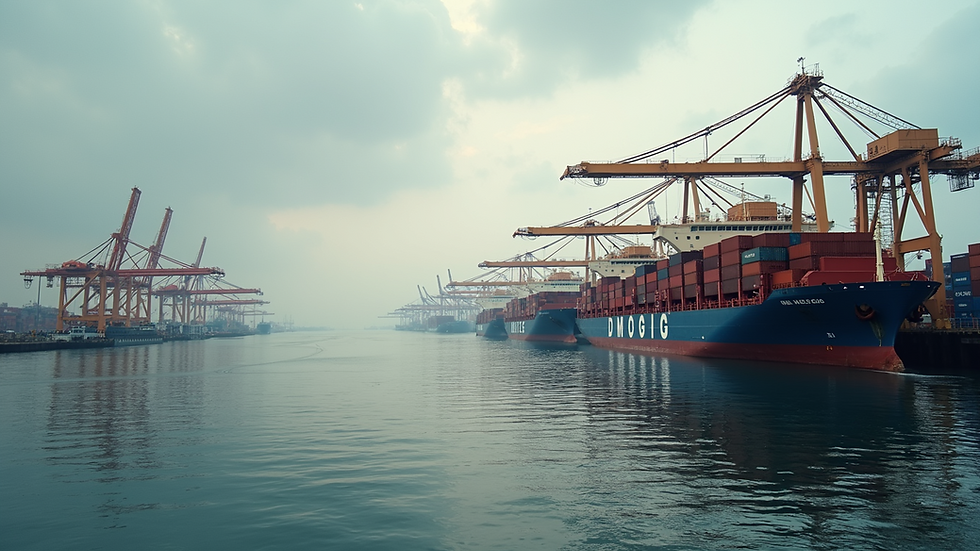
By adopting these emerging trends and technologies, the maritime industry is steering itself towards a sustainable future that protects our oceans while fostering economic growth. The path ahead requires dedication and collaboration to successfully implement these innovations, but the overall benefits to the environment and economy make it a worthwhile endeavor.

Comments